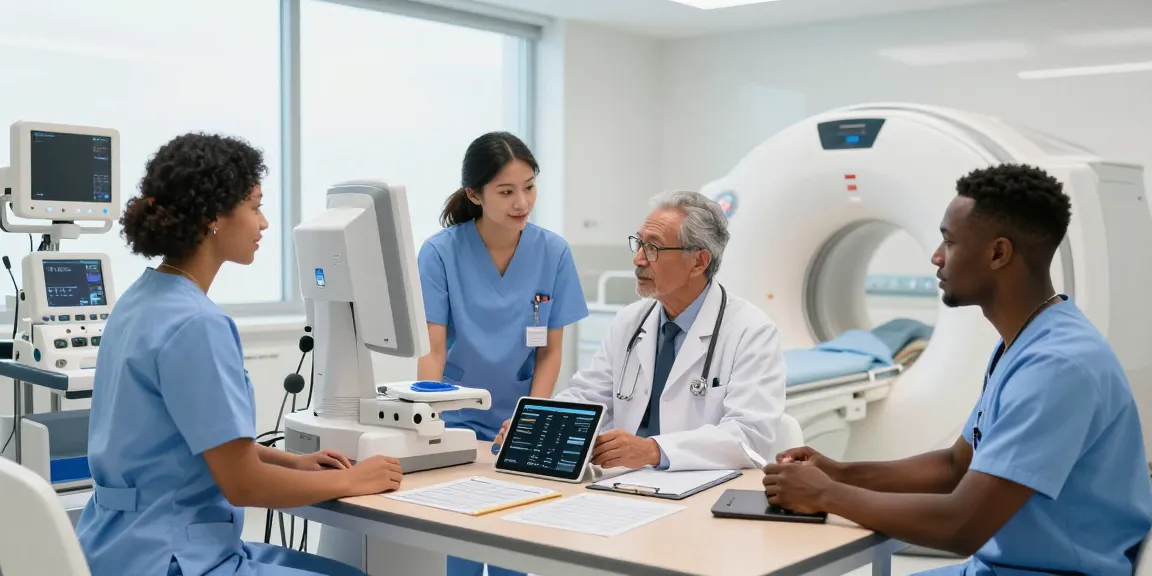
The Critical Role of Medical Equipment Companies in Healthcare
In today's rapidly evolving healthcare landscape, the significance of medical equipment companies cannot be overstated. These organizations serve as the backbone of healthcare systems, providing essential tools that facilitate accurate diagnosis, effective treatment, and improved patient outcomes. As healthcare demands increase alongside technological advancements, understanding the role and impact of these companies is crucial for healthcare providers, decision-makers, and ultimately, patients. This article delves into the various functions, challenges, and innovations surrounding medical equipment companies, illustrating their unwavering importance in modern healthcare.
Understanding Medical Equipment Needs
Medical equipment needs vary significantly based on the type of healthcare facility, ranging from hospitals and clinics to specialized surgical centers. Healthcare providers must assess their specific requirements, which can include diagnostic imaging machines, surgical instruments, and patient monitoring systems. Understanding these needs involves recognizing the clinical context in which equipment will be used, as well as the demographic and health profile of the patient population. For instance, a pediatric hospital will have distinct requirements compared to an adult geriatric care facility, necessitating tailored solutions from medical equipment companies.
Common Challenges Faced by Healthcare Providers
Healthcare providers frequently encounter challenges in procuring and managing medical equipment. Budget constraints can limit access to the latest technologies, while regulatory compliance can complicate purchasing decisions. Additionally, the maintenance and servicing of equipment are critical for operational efficiency and patient safety. Providers must often navigate complex supply chains, ensuring they select reliable suppliers that can meet their evolving needs. These challenges highlight the importance of partnering with reputable medical equipment companies that offer not only quality products but also ongoing support and training.
The Impact of Quality Equipment on Patient Outcomes
The quality and reliability of medical equipment directly correlate with patient outcomes. High-quality equipment minimizes the risk of errors during diagnosis and treatment, enhances the efficiency of care delivery, and ultimately leads to better health results. For example, advanced diagnostic machines can detect conditions at earlier stages, allowing for timely interventions that can save lives. Furthermore, state-of-the-art surgical instruments improve precision during operations, reducing recovery times and complications. By investing in quality equipment from trusted medical equipment companies, healthcare facilities can significantly enhance their service delivery.
Key Innovations in Medical Equipment
The Latest Advancements in Diagnostic Technologies
Recent innovations in diagnostic technologies have revolutionized the way healthcare providers approach patient care. Cutting-edge imaging technologies, such as MRI and CT scans, have become more sophisticated, offering higher-resolution images and faster processing times. Additionally, the integration of artificial intelligence has transformed diagnostic capabilities, allowing for more accurate predictions and interpretations of medical data based on vast datasets. These advancements not only improve early detection of diseases but also streamline workflow in busy healthcare environments.
Emerging Trends in Surgical Instruments
Surgical instruments are also witnessing tremendous innovations. Minimally invasive surgical tools, such as robotic-assisted devices and advanced laparoscopic instruments, are becoming increasingly prevalent, enabling surgeons to perform complex procedures with smaller incisions. These technologies result in reduced pain and faster recovery for patients. Moreover, advancements in sterilization and materials science enhance the safety and effectiveness of surgical instruments, addressing infection control challenges in hospitals.
Future-Proofing Healthcare Facilities with Advanced Equipment
As healthcare evolves, so too must the equipment that supports it. Future-proofing healthcare facilities involves investing in technology that is adaptable and scalable. Modular medical equipment, which can be easily updated or expanded, allows healthcare providers to respond quickly to changes in patient needs and industry regulations. Furthermore, integration with electronic health records (EHR) and telehealth solutions ensures that equipment supports a holistic approach to patient care, facilitating improved communication and data sharing among care teams.
Choosing the Right Medical Equipment Companies
Evaluating Supplier Reliability and Reputation
Choosing the right medical equipment supplier is a critical decision for healthcare organizations. Evaluating supplier reliability involves researching their reputation within the industry, checking certifications, and seeking feedback from other healthcare providers. It is essential to choose a partner that demonstrates a commitment to quality and customer service. Companies with a strong track record of compliance with regulatory standards are better positioned to provide equipment that meets clinical needs effectively.
Comparative Analysis of Leading Medical Equipment Firms
When assessing potential suppliers, conducting a comparative analysis of leading medical equipment companies can yield valuable insights. Consider aspects such as product range, technological advancements, pricing structures, and after-sales support. Engaging in discussions with representatives from these firms allows healthcare providers to gauge their understanding of the market and their willingness to collaborate on solutions. Reviews from peers in the field can also help illuminate which companies consistently deliver on their promises.
Cost-Effectiveness and Value in Equipment Purchasing
Healthcare facilities must strike a balance between cost and quality when purchasing medical equipment. While lower-priced options may seem appealing, they can lead to increased long-term costs due to poor performance, higher maintenance needs, or early replacement. Evaluating the total cost of ownership, which includes purchase price, maintenance, and potential downtime, is crucial for making informed decisions. Prioritizing value over initial cost ensures that healthcare providers invest in solutions that enhance their operational efficiency and patient care.
Case Studies: Success Stories from the Field
How Quality Equipment Transformed Patient Care
Examining real-world examples of how quality medical equipment has transformed patient care can offer valuable lessons. For instance, a community hospital that invested in cutting-edge ultrasound technology saw significant improvements in its obstetrics department, resulting in enhanced prenatal care and early detection of potential complications. These upgrades led not only to better patient outcomes but also increased patient satisfaction and loyalty.
Implementing New Technologies in Established Practices
Many healthcare facilities have successfully integrated new technologies without disrupting existing workflows. A well-planned implementation strategy that includes staff training and support from equipment suppliers can ease transitions. For instance, a surgical center that introduced robotic surgery systems reported a marked decrease in recovery times and surgical complications after equipping its team with thorough training and hands-on experience.
Lessons Learned from Industry Leaders
Industry leaders often share insights that can guide best practices in the adoption of medical equipment. Learning from their experiences helps other healthcare providers understand common pitfalls and strategies for success. For example, organizations that prioritize continuous education and staff engagement in equipment decisions often see a more seamless integration of new technologies, resulting in better overall performance and outcomes.
Preparing for the Future of Medical Equipment
Regulatory Changes Impacting Equipment Standards
The medical equipment landscape is continuously shaped by regulatory changes that affect product standards and safety requirements. Staying informed about these changes is essential for healthcare providers to remain compliant and to ensure patient safety. Organizations should engage with regulatory bodies and attend industry conferences to learn about upcoming changes and best practices related to equipment procurement and usage.
Anticipating the Needs of Healthcare Providers in 2026
As we look toward 2026, it is essential for medical equipment companies to anticipate the evolving needs of healthcare providers. This foresight involves understanding emerging healthcare trends, such as telemedicine and personalized medicine, and adapting equipment offerings accordingly. Companies that invest in research and development will be better equipped to deliver innovative solutions tailored to the future demands of healthcare.
Building Strategic Partnerships for Equipment Supply
Collaboration with medical equipment companies can greatly enhance a healthcare facility's operational efficiency. Establishing strategic partnerships allows for streamlined supply chains, faster access to new technologies, and shared resources for training and support. These partnerships foster innovation and responsiveness to market changes, ultimately benefiting both the healthcare providers and the patients they serve.
What are the benefits of using advanced medical equipment?
Advanced medical equipment improves diagnostic accuracy, enhances treatment effectiveness, and promotes safer patient care. It supports faster patient turnaround times and reduces the risk of complications resulting from outdated technology.
How do I choose the right medical equipment supplier?
Choosing the right supplier involves assessing their reputation, product offerings, pricing, and customer support. Engaging with other healthcare providers for feedback can provide insights into the supplier's reliability.
What trends are shaping the future of medical equipment?
Key trends include the integration of artificial intelligence in diagnostics, the rise of telehealth technologies, and a growing emphasis on minimally invasive surgical techniques.
Are there certifications for medical equipment companies?
Yes, medical equipment companies often hold certifications that signify compliance with specific industry standards, such as ISO certifications, which ensure quality and safety.
How can technology improve patient care in healthcare facilities?
Technology enhances patient care by enabling faster diagnoses, streamlining treatment processes, facilitating communication between healthcare providers, and ensuring better patient data management.